Evaluating Collection Color Infographic Banners for Professional Design Workflows
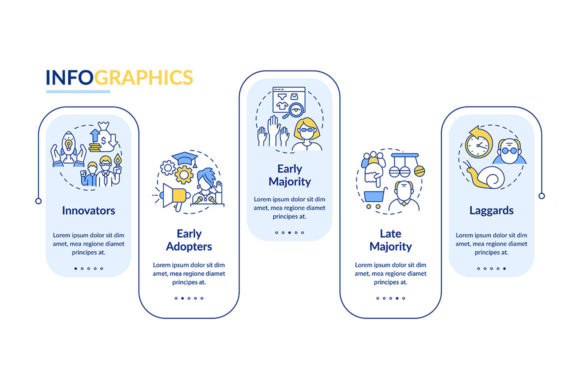
In the fast-paced environment of digital content creation, the ability to visualize data and organize information quickly is often just as important as the data itself. For marketers, educators, and business professionals, finding a balance between aesthetic appeal and functional clarity can be a significant bottleneck. This is where specialized asset packs like Collection Color Infographic Banners become relevant tools rather than mere decorative elements. These resources are designed to bridge the gap between raw information and engaging visual communication, providing structured templates that maintain professional standards while reducing production time.
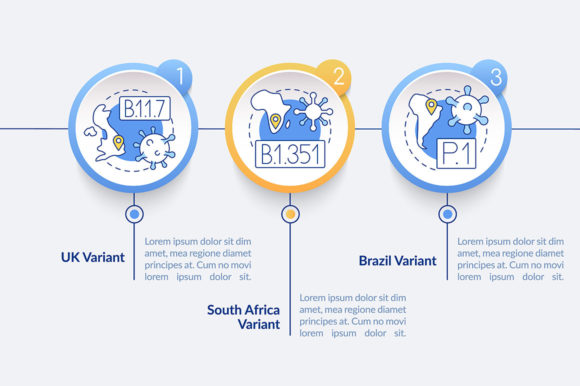
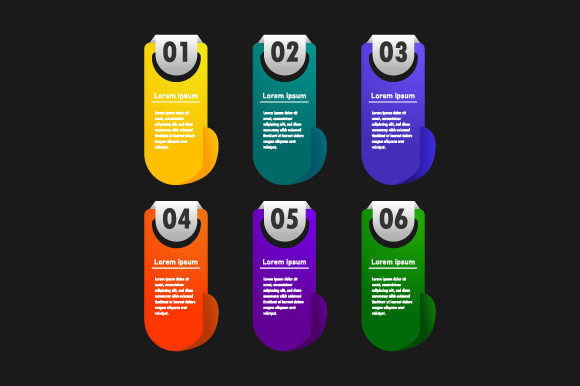
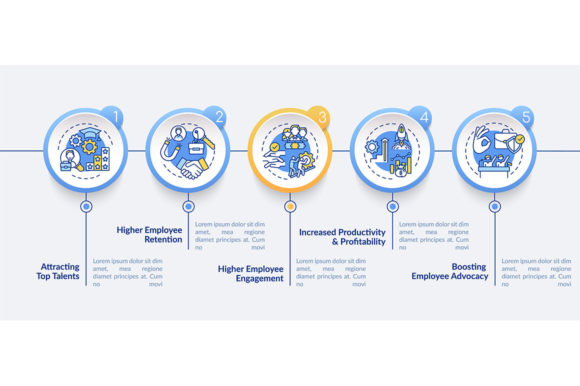
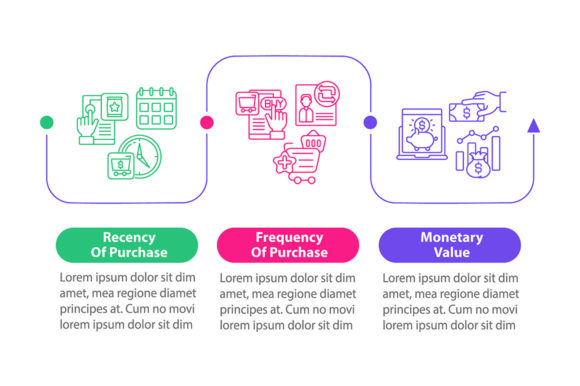
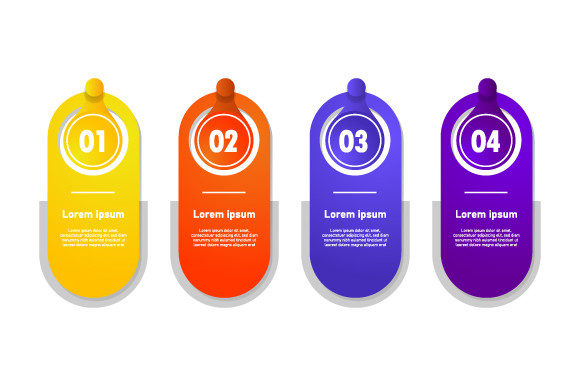
The primary value proposition of this collection lies in its focus on color-coded organization and modular design. Unlike generic banner templates that may prioritize artistic flair over utility, these assets are engineered specifically for information hierarchy. They serve as visual containers that guide the viewer’s eye through complex datasets, timelines, or categorical breakdowns. When evaluating this resource for professional use, it is essential to look beyond the surface aesthetics and consider how the underlying file structure supports long-term workflow efficiency and brand consistency.
Technical Versatility Across File Formats
A critical factor in determining the usefulness of any design asset is format flexibility. The Collection Color Infographic Banners package includes AI, EPS, JPG, and PNG files, each serving a distinct purpose in a professional pipeline. Understanding when and how to leverage these specific formats determines the return on investment for the asset.
- AI (Adobe Illustrator): This is the master source file for designers who require full editability. It allows for non-destructive scaling, color profile adjustments (CMYK/RGB), and typography changes. For agencies managing multiple clients, the AI file ensures that banners can be adapted to specific brand guidelines without losing resolution or structural integrity.
- EPS (Encapsulated PostScript): Serving as a universal vector standard, EPS files provide compatibility across various vector editing software beyond the Adobe ecosystem. This format is particularly valuable for collaborative environments where team members may use different tools, or for print vendors who require vector inputs for large-format output.
- PNG (Portable Network Graphics): With transparent backgrounds, these files are indispensable for web designers and presentation creators. They allow the infographic banners to be layered over custom backgrounds, photographs, or slide decks without the need for manual masking. This format significantly speeds up the assembly of marketing materials and educational slides.
- JPG (Joint Photographic Experts Group): While less flexible for editing, high-resolution JPGs serve as immediate reference points or quick-insert assets for social media managers and bloggers who do not have access to vector software. They provide a flattened, color-accurate preview that is ready for instant deployment.
This multi-format approach ensures that the asset remains useful regardless of the user's technical proficiency or software limitations. A freelancer might rely heavily on the PNGs for quick client deliverables, while an in-house design team will utilize the AI files to build a proprietary library of branded visuals.
Practical Applications in Element Design and Decoration
The term "infographic banner" can sometimes be misleading, suggesting a single-use header image. However, in practice, these assets function more effectively as modular elements for decoration and background integration. The strength of Collection Color Infographic Banners is found in their adaptability as component parts of a larger layout.
For element design, individual segments of the banners can be isolated and repurposed. A timeline section might be extracted to serve as a standalone process graphic, while a statistical chart element could be resized to function as a sidebar accent. This modularity prevents the "template look" that often plagues amateur designs. By breaking the banner down into constituent parts, designers can create unique compositions that feel bespoke rather than pre-packaged.
When used for background decoration, these banners provide necessary texture and structure to otherwise empty spaces. In corporate presentations or white papers, large areas of negative space can feel sterile or unfinished. Integrating a low-opacity version of an infographic banner adds visual interest and reinforces the thematic context without competing with body text. The color-coding inherent in the design helps establish a subconscious association between different sections of content, aiding reader navigation and retention.
Enhancing Information Hierarchy Through Color
Color is not merely decorative in this context; it is functional. The collection utilizes color psychology and contrast principles to differentiate data streams. For entrepreneurs and educators, this means the templates handle the cognitive load of organizing information. Instead of manually calculating complementary colors or worrying about accessibility contrast ratios, users can rely on pre-tested palettes that ensure readability and visual distinction. This is particularly beneficial for creating comparison charts, feature lists, or step-by-step guides where distinguishing between categories is paramount.
Assessing Quality and Workflow Integration
When integrating third-party assets into professional projects, quality assurance is non-negotiable. Based on typical industry standards for premium vector packs, several factors should be evaluated to ensure these banners meet production requirements.
Layer Organization: High-quality AI and EPS files should feature logically named layers and groups. If a designer has to spend twenty minutes deciphering "Layer 45 copy 2," the time-saving benefit of the template is negated. Effective infographic banner templates separate background elements, text placeholders, and graphical icons into distinct, locked, or grouped layers to prevent accidental edits during customization.
Scalability and Clean Geometry: Vector points should be optimized. Excessive anchor points can lead to jagged edges when scaled or inflated file sizes that slow down rendering. Professional-grade assets use clean geometry that prints crisply at large formats and renders efficiently on the web.
Typography Compatibility: Templates should either include free fonts or clearly indicate placeholder text areas. The best collections use system-safe fonts or provide links to open-source alternatives, ensuring that the design does not break when opened on a different machine. This reliability is crucial for teams working across distributed networks.
Target Audience and Use Case Fit
While visually appealing, Collection Color Infographic Banners are not universally necessary. Their value is highly dependent on the user's specific output goals and frequency of content production.
Marketers and Content Creators: This group likely derives the highest ROI. The need for consistent visual branding across blog posts, social media, and email newsletters makes having a cohesive set of infographic elements invaluable. The ability to swap colors to match seasonal campaigns or product launches while maintaining a recognizable style builds audience trust.
Educators and Trainers: For those creating course materials, e-learning modules, or instructional handouts, these banners provide a scaffold for pedagogical clarity. Visual learners benefit significantly from color-coded structures, and educators can save hundreds of hours by not designing these frameworks from scratch for every new lesson.
Small Business Owners and Freelancers: Budget constraints often prevent hiring dedicated designers for every collateral piece. These templates act as a force multiplier, allowing non-designers to produce polished, professional-looking reports and proposals. The inclusion of PNG files specifically caters to this demographic, enabling high-quality results without steep learning curves.
Corporate Communications Teams: Internal reporting and stakeholder updates require a level of formality and consistency that ad-hoc design cannot provide. These banners offer a standardized visual language that aligns with corporate identity systems, ensuring that internal documents look as professional as external marketing materials.
Limitations and Strategic Considerations
To maintain an objective evaluation, it is necessary to acknowledge potential limitations. Template-based design carries the risk of homogenization. If multiple organizations within the same niche utilize the same Collection Color Infographic Banners without significant modification, audiences may experience visual fatigue or perceive the content as generic.
Mitigating this requires intentional customization. Users should treat these files as starting points rather than final solutions. Adjusting spacing, mixing elements from different banners, incorporating custom photography, or altering the color saturation can help maintain uniqueness. Additionally, users must verify licensing terms regarding commercial use and redistribution to avoid legal complications in client work.
Furthermore, while the color schemes are professionally designed, they may not automatically meet WCAG accessibility standards for all text-background combinations. Professionals working in government, healthcare, or education sectors must still perform contrast checks to ensure compliance. The template provides the aesthetic foundation, but accessibility validation remains the responsibility of the end-user.
Final Assessment of Value
Collection Color Infographic Banners represent a practical solution for streamlining visual communication. They succeed by focusing on utility, offering a robust combination of editable vector sources and ready-to-use raster formats. For professionals aged 20–50 who manage content production alongside other responsibilities, the time savings and consistency benefits generally outweigh the cost of acquisition.
The true measure of this asset’s worth is not in the number of banners included, but in how seamlessly they integrate into existing workflows. When used strategically—as modular elements, background textures, and structural guides—they elevate the perceived professionalism of digital and print materials. However, they require a thoughtful approach to customization to avoid the pitfalls of template dependency. For those willing to invest the minimal effort required to adapt them, these banners serve as reliable infrastructure for effective information design.