Kitchen Concept Infographic: A Versatile EPS Design Resource
In the world of creative design and personalized merchandise, having access to high-quality, scalable vector graphics is essential for producing professional results. The Kitchen Concept Infographic serves as a comprehensive visual asset tailored for creators, small business owners, and DIY enthusiasts who specialize in culinary-themed projects. Unlike standard raster images that lose quality when resized, this resource is provided as an EPS file, ensuring crisp lines and vibrant colors regardless of the final application. Whether you are designing custom apparel, crafting wooden signage for a café, or creating unique party decor, understanding the utility and flexibility of this specific infographic format can significantly elevate your production workflow.
Understanding the Value of Vector-Based Kitchen Graphics
The primary advantage of utilizing a Kitchen Concept Infographic lies in its technical foundation. Because this file is delivered in EPS (Encapsulated PostScript) format, it operates on mathematical paths rather than pixels. This distinction is critical for anyone involved in printing or fabrication. When you stretch a JPEG or PNG image to fit a large surface area like a wood sign or a tumbler wrap, the edges often become blurry or pixelated. In contrast, the vector nature of this kitchen infographic allows for infinite scaling without any degradation in quality.
For professionals using industry-standard software such as Adobe Illustrator CC, Corel Draw, or Inkscape, this file type offers complete editability. You are not locked into the original color palette or layout. If your project requires a specific shade of sage green to match a client’s kitchen renovation theme, you can adjust the fill colors directly within the vector nodes. This level of customization transforms a generic template into a bespoke design element, making it an invaluable tool for handmade business product lines where uniqueness is a key selling point.
Core Applications and Creative Use Cases
The versatility of the Kitchen Concept Infographic extends far beyond digital viewing. Its structured layout and thematic elements make it particularly suitable for physical products. Below are several practical scenarios where this asset excels:
- Apparel and Textile Printing: Creating shirts, aprons, and tea towels requires designs that can withstand various printing methods including screen printing, heat transfer vinyl (HTV), and direct-to-garment (DTG). The clean lines of an EPS file ensure that intricate kitchen icons and text remain sharp after washing and wear.
- Wood Signs and Laser Cutting: For makers using CNC routers or laser engravers, vector files are mandatory. This infographic provides the precise path data needed for machines to cut or etch detailed kitchen motifs onto cutting boards, floating shelves, or decorative wall art.
- Drinkware Customization: Tumblers and mugs often require curved or wrapped designs. Because the infographic is fully editable, individual elements can be separated and rearranged to fit the cylindrical geometry of drinkware without losing resolution.
- Paper Goods and Stationery: From recipe cards to wedding invitations with a culinary twist, the scalability ensures that fine details print clearly at both small card sizes and larger poster formats.
- Commercial Branding: Restaurants, bakeries, and catering services can utilize these graphics for menus, window decals, and staff uniforms, maintaining brand consistency across different media touchpoints.
Software Compatibility and Technical Requirements
Before integrating the Kitchen Concept Infographic into your workflow, it is important to verify software compatibility. While EPS is a universal standard, the ease of editing depends on the program you use. This file is optimized for vector-based platforms, ensuring seamless performance across the following:
- Adobe Illustrator CC: The industry standard for vector manipulation. Users can expect full layer access, gradient editing, and typography adjustments.
- Corel Draw: Widely used in the sign-making and apparel decoration industries, Corel Draw imports EPS files reliably, making it ideal for production environments.
- Inkscape: A powerful open-source alternative that handles EPS imports well, providing a cost-effective solution for hobbyists and startups.
- Affinity Designer: Gaining popularity for its one-time purchase model, this software supports EPS editing with robust vector tools.
It is worth noting that while some raster programs like Photoshop can open EPS files, they will rasterize them upon import. To maintain the editable vector properties necessary for resizing and color changing, a dedicated vector editor is required. Always check your software version; older versions may occasionally struggle with effects created in newer iterations of Adobe Suite, though basic paths and shapes typically remain compatible.
Evaluating Suitability for Your Project
Not every design asset fits every need. When considering the Kitchen Concept Infographic for your next endeavor, evaluate the following factors to ensure it aligns with your goals:
Complexity vs. Production Method: If you plan to use this design for multi-color screen printing, assess the number of distinct colors in the infographic. Each color requires a separate screen, which increases cost and setup time. However, if you are using digital printing or vinyl cutting, color count is less of a limitation. The ability to simplify or recolor elements within the EPS file gives you control over production complexity.
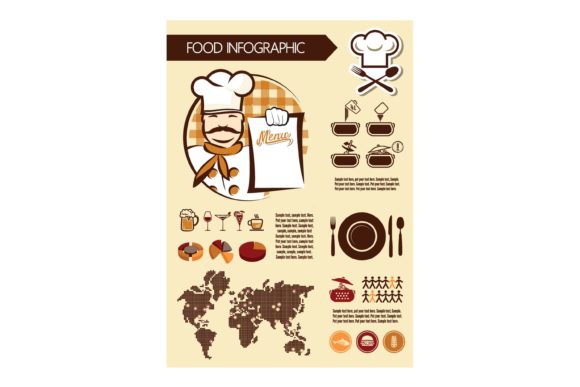
Thematic Alignment: Kitchen infographics often contain specific iconography—utensils, herbs, appliances, or measurement conversions. Ensure the visual style matches your target audience. A rustic, hand-drawn aesthetic appeals to farmhouse decor buyers, while sleek, minimalist lines suit modern culinary brands. Since this file is editable, you can often mix and match elements to better fit your specific niche.
Licensing and Commercial Use: For business owners and creators selling finished goods, verifying usage rights is paramount. This resource is described as suitable for handmade business product lines, but always review the specific license terms included with your download. Understanding whether attribution is required or if there are limits on the number of units sold protects your business from legal complications.
Best Practices for Working with EPS Files
To maximize the potential of your Kitchen Concept Infographic, adopt these professional workflows:
- Save a Master Copy: Never work directly on your only copy of the original EPS file. Create a duplicate before making edits so you always have a pristine backup to revert to if mistakes occur.
- Outline Fonts Before Export: If you modify text elements and intend to send the file to a print shop or use it on a different computer, convert all text to outlines (paths). This prevents font substitution issues where the system replaces your chosen typeface with a default option.
- Check Color Modes: Determine whether your output requires CMYK (for print) or RGB (for digital display). Convert the document color mode early in the process to avoid unexpected color shifts in the final product.
- Simplify Paths for Cutting: If using the infographic for vinyl cutting or laser engraving, use the "simplify" or "optimize" function in your software. Excessive anchor points can cause machines to stutter or produce rough edges.
Overcoming Common Challenges
Even experienced designers encounter hurdles when working with third-party vector assets. One common issue with kitchen-themed infographics is grouped elements. Designers often group related icons together for organization. If you find you cannot select a single fork or spoon, try ungrouping the selection (Ctrl+Shift+G or Cmd+Shift+G) multiple times until individual elements are accessible.
Another consideration is file size. Detailed infographics with thousands of anchor points can slow down older computers. If performance lags, consider breaking the design into smaller components or hiding layers you aren't currently working on. This maintains system responsiveness while allowing you to focus on specific sections of the kitchen concept.
Finally, remember that vector graphics do not inherently include texture. If your kitchen concept requires a distressed or vintage look, you may need to apply texture overlays or masks separately. The base EPS provides the structure, but artistic finishing touches often require additional techniques within your design software.
Making the Most of Your Design Asset
The Kitchen Concept Infographic represents more than just a collection of culinary illustrations; it is a foundational building block for creative entrepreneurship and personal expression. By leveraging the scalability of EPS format and the broad compatibility with major design software, users can transform a single digital file into a diverse array of tangible products. Success lies not just in acquiring the asset, but in understanding how to manipulate it effectively for different mediums, respecting technical requirements, and adapting the visual language to resonate with specific audiences.
Whether you are launching a new line of kitchenware, decorating a family home, or fulfilling custom orders for clients, this resource provides the professional-grade foundation necessary for high-quality results. Take the time to explore the file's structure, experiment with modifications, and integrate it thoughtfully into your broader design strategy. With proper handling and creative vision, this infographic can serve as a reliable cornerstone for countless kitchen-themed projects, delivering value through both its aesthetic appeal and its technical versatility.