Infographic Element Design Vector: A Creative Guide
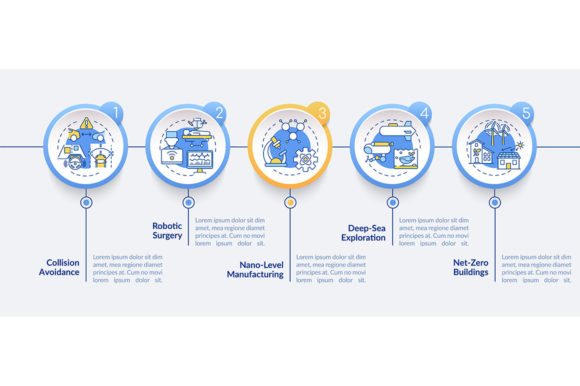
Visual communication is the backbone of modern digital content, yet creating compelling graphics from scratch can be a daunting task for many creators. This is where an Infographic Element Design Vector becomes an essential asset in your creative toolkit. Rather than spending hours drawing individual icons, charts, or decorative shapes, these pre-designed vector assets allow you to assemble professional-looking visuals in a fraction of the time. At its core, this resource is a collection of scalable graphic components specifically crafted to enhance presentations, social media posts, and educational materials without requiring advanced illustration skills.
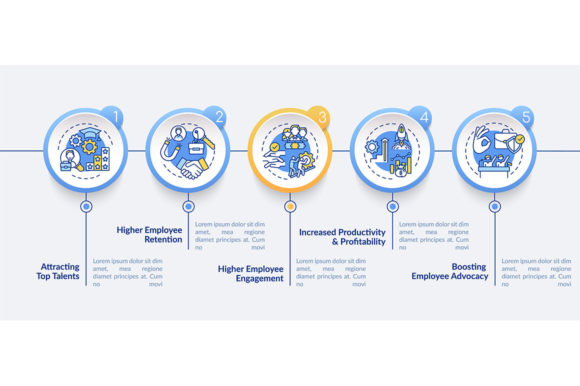
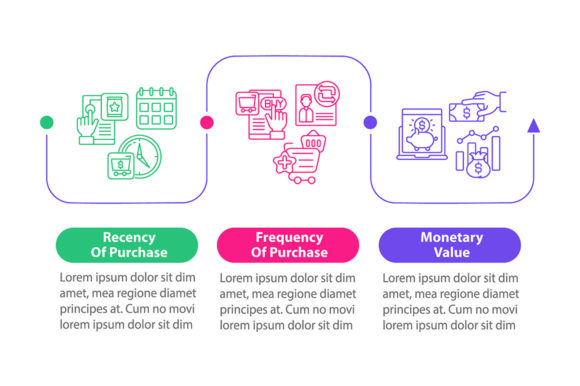
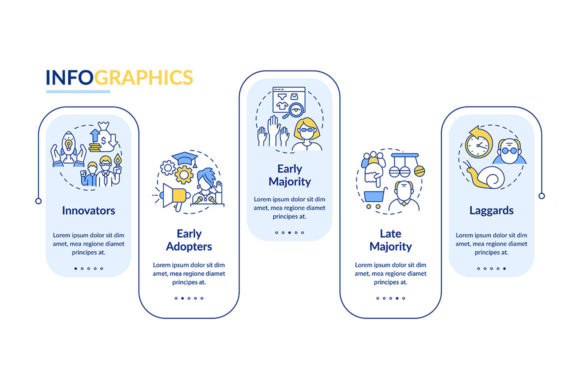
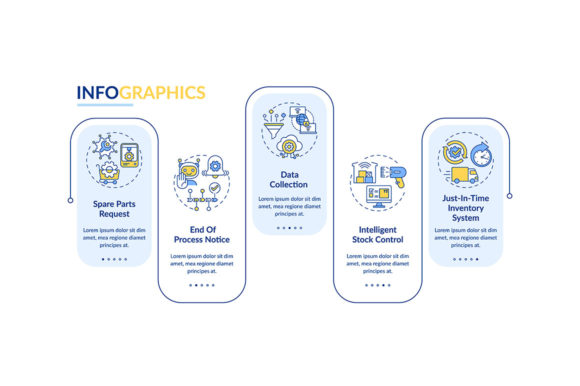
The true value of these assets lies in their versatility and technical flexibility. When you work with an infographic element design vector isolated for decoration, element design and background, you are accessing modular pieces that can be mixed, matched, and resized without losing quality. Whether you are building a complex data visualization or simply adding a subtle decorative touch to a blog header, these elements provide the structural foundation needed to convey information clearly. They bridge the gap between raw data and engaging storytelling, making abstract concepts tangible for audiences ranging from corporate stakeholders to casual social media followers.
Understanding File Formats and Technical Flexibility
One of the most critical aspects of working with these design resources is understanding the file formats included in the package. The files you will get are as follows - AI - EPS - JPG - PNG, and each serves a distinct purpose in your workflow. Knowing when to use which format ensures that your final output remains crisp and professional across all mediums.
- AI (Adobe Illustrator): This is the native source file for users who have Adobe Illustrator installed. It offers complete editability, allowing you to change colors, adjust anchor points, resize elements infinitely, and modify typography. If you need to customize the infographic element design vector to match specific brand guidelines perfectly, this is your primary format.
- EPS (Encapsulated PostScript): A universal vector standard compatible with almost all vector editing software, including CorelDRAW, Inkscape, and Affinity Designer. Like the AI file, it retains scalability and editability but offers broader compatibility for teams using different software ecosystems.
- PNG (Portable Network Graphics): These are rasterized versions with transparent backgrounds. They are ideal for quick drag-and-drop usage in tools like Canva, PowerPoint, or Keynote where vector editing isn't possible. Because they are isolated, you can layer them over any colored background seamlessly.
- JPG (Joint Photographic Experts Group): Best used for previewing the full set or for web contexts where transparency isn't required. While not editable or transparent, they offer smaller file sizes for rapid prototyping or low-resolution mockups.
Practical Applications Across Different Contexts
The appeal of an Infographic Element Design Vector extends far beyond traditional data reporting. Because these assets are designed with modularity in mind, they solve visual problems in diverse personal, professional, and educational settings. Understanding where to apply them can significantly elevate the perceived quality of your work.
Business and Marketing Communications
For entrepreneurs and marketers, attention spans are short. An infographic element design vector isolated for decoration helps break up dense text in annual reports, pitch decks, and whitepapers. Instead of presenting a bulleted list of quarterly achievements, you can utilize timeline vectors or process diagrams to guide the viewer’s eye through the narrative. Small business owners often lack dedicated design teams; having a library of cohesive vector elements allows for consistent branding across social media carousels, email newsletters, and website landing pages without hiring an agency for every campaign.
Educational and Instructional Design
Educators and trainers face the challenge of simplifying complex topics. Vectors depicting cycles, hierarchies, or comparative structures serve as cognitive scaffolds for students. When creating course materials or e-learning modules, using clean, isolated vector elements reduces cognitive load compared to cluttered stock photos. For example, a biology teacher explaining cell division or a corporate trainer outlining safety protocols can use these graphical building blocks to create custom diagrams that align precisely with their curriculum, rather than settling for generic illustrations that only partially fit the lesson.
Personal Projects and Content Creation
Bloggers, hobbyists, and freelancers also benefit immensely from these resources. If you are writing a tutorial on gardening, organizing finances, or planning travel, custom visuals increase engagement and dwell time. Using an infographic element design vector allows you to create unique featured images and in-post graphics that stand out in search results. Since the files include editable vectors, you can recolor elements to match your site’s palette instantly, ensuring a polished aesthetic that builds trust and authority with your readership.
Key Considerations Before Implementation
While these assets are incredibly useful, selecting and applying the right Infographic Element Design Vector requires some strategic thought. Rushing into implementation without considering context can lead to disjointed or ineffective designs. Here are practical factors to keep in mind to maximize the utility of your download.
Style Consistency: Not all vector packs share the same visual language. Before committing to a specific set, ensure the line weight, corner radius, and overall aesthetic align with your existing brand identity. Mixing flat, minimalist vectors with skeuomorphic or hand-drawn styles in the same project creates visual friction. If you plan to combine multiple packs, verify that they share similar proportions and color saturation levels to maintain harmony.
Editability vs. Convenience: Assess your current skill level and software access honestly. If you do not own vector editing software and have no intention of learning it, prioritize packs that include high-resolution PNGs with transparent backgrounds. Relying solely on AI or EPS files when you cannot open them renders the purchase useless for immediate projects. Conversely, if you require frequent customization, ensure the vector layers are organized and labeled logically within the AI or EPS files to avoid frustration during editing.
Licensing and Usage Rights: Always review the license agreement associated with the infographic element design vector isolated for decoration, element design and background. Some licenses permit unlimited commercial use in client projects, while others may restrict usage to personal endeavors or require attribution. Understanding these boundaries protects you legally and ethically, especially when creating deliverables for third-party clients or monetized platforms.
Scalability Requirements: Consider the final output medium. If you are designing for large-format print like trade show banners or billboards, you must use the AI or EPS formats to prevent pixelation. JPG and PNG files included in the pack are typically optimized for screen display and may degrade when scaled beyond their native resolution. Planning your format choice based on the physical dimensions of your project prevents costly reprints or last-minute redesigns.
Enhancing Visual Storytelling with Modular Assets
Ultimately, the goal of incorporating an Infographic Element Design Vector into your workflow is to communicate more effectively. These assets are not merely decorations; they are functional tools that structure information and guide comprehension. By leveraging the included AI, EPS, JPG, and PNG files strategically, you transform static content into dynamic visual experiences.
Whether you are a seasoned designer looking to speed up production or a beginner seeking to add professional polish to your work, these vector elements democratize high-quality design. They remove the technical barrier to entry while preserving the creative freedom necessary for authentic expression. As visual literacy continues to dominate digital interaction, mastering the use of isolated vector elements becomes less of an optional skill and more of a fundamental competency for anyone serious about clear, impactful communication.