Minimal Pizza Infographics for Modern Design
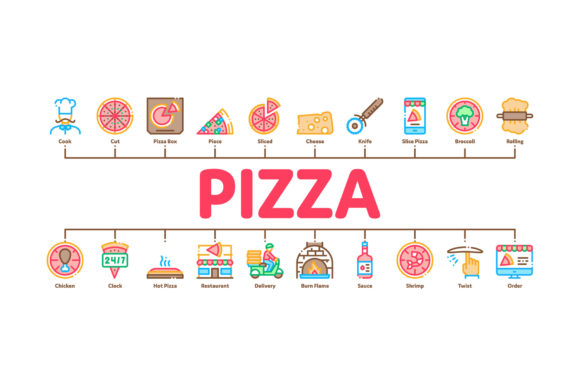
Elevating food marketing requires more than just appetizing photography; it demands structured visual storytelling that communicates quality and convenience instantly. When designers integrate a Pizza Delicious Food Minimal Infographic into their creative workflow, they bridge the gap between culinary appeal and functional information architecture. This approach transforms complex menu data, delivery logistics, or ingredient highlights into clean, digestible visuals that resonate with modern audiences. By focusing on negative space and simplified geometry, these assets ensure that the message remains clear across both digital platforms and print collateral.
The Strategic Value of Minimalist Food Illustration
In contemporary graphic design, minimalism is not merely an aesthetic choice but a usability strategy. For pizzerias and food delivery services, cluttered visuals can overwhelm customers and obscure key selling points. A well-crafted minimal infographic strips away non-essential details to highlight what matters most: the freshness of seafood and vegetables, the richness of chicken and cheese combinations, or the efficiency of the cook-and-delivery process. This clarity strengthens brand identity by associating the business with professionalism and modern sophistication.
Utilizing vector-based resources, such as a Pizza Delicious Food Minimal Infographic Web Banner Vector, offers significant technical advantages. Vectors maintain crisp edges at any resolution, making them ideal for responsive web design and high-density mobile screens. Whether scaling up for a storefront banner or down for a social media icon, the integrity of the illustration remains intact. Furthermore, formats like EPS allow designers to customize colors and shapes to match existing color palettes and typography systems, ensuring seamless integration into broader branding efforts.
Practical Applications Across Media
Versatility is the hallmark of effective creative assets. These illustrations serve multiple functions within a comprehensive marketing ecosystem:
- Digital Marketing & UI: Use web banners to visualize delivery zones or prep times on landing pages, enhancing UX design by reducing cognitive load.
- Social Media Graphics: Create cohesive carousel posts explaining menu categories or promotional deals using consistent iconography.
- Packaging Design: Apply minimal line art to pizza boxes or paper bags to reinforce brand recognition without increasing printing costs through excessive ink coverage.
- Editorial & Print: Incorporate stylized ingredients in menus or flyers to guide the reader’s eye through visual hierarchy.
- Presentations: Visualize business metrics, such as sales growth or customer satisfaction, using thematic food-related charts for investor decks.
Selecting and Customizing Design Assets
When evaluating resources like JPG or EPS files featuring pizza with seafood, vegetables, or chicken, prioritize compositional balance over decorative complexity. Effective visual communication relies on how well the illustration interacts with text. Ensure there is adequate copy space within the banner or infographic layout to accommodate headlines and calls to action without compromising readability. The interplay between imagery and typography should feel intentional; sans-serif typefaces often pair best with minimal food illustrations to maintain a unified modern aesthetic.
Designers should also consider the emotional tone conveyed by the artwork. While minimalism suggests cleanliness and order, food illustration must still evoke appetite. Look for assets that use warm accent colors or dynamic lines to suggest steam, freshness, or movement. This subtle attention to detail prevents the design from feeling sterile. Additionally, verify that the vector layers are organized logically. A properly structured EPS file allows for efficient editing, enabling you to swap out a chicken slice for a vegetable topping or adjust the delivery truck icon to better reflect your specific service model.
Enhancing Workflow and Consistency
Integrating these assets into your design workflow streamlines production while maintaining high standards. Instead of creating custom illustrations from scratch for every campaign, designers can adapt premium vector packs to meet tight deadlines. This efficiency is particularly valuable for seasonal promotions or limited-time offers where speed is essential. However, consistency remains paramount. Establish guidelines for how these infographics are used regarding size, color treatment, and placement relative to other brand elements. This systematic approach ensures that whether a customer sees a web banner, a printed flyer, or an app interface, the visual language reinforces trust and familiarity.
Ultimately, the success of food-related design lies in its ability to make the viewer hungry while simultaneously informing them. Thoughtful selection and application of minimal infographics achieve this dual purpose. By leveraging scalable vectors and adhering to principles of clarity and hierarchy, designers can create compelling narratives that drive engagement. Investing in quality creative assets is not just about decoration; it is a strategic decision that enhances user experience, solidifies brand perception, and converts visual interest into tangible business results.