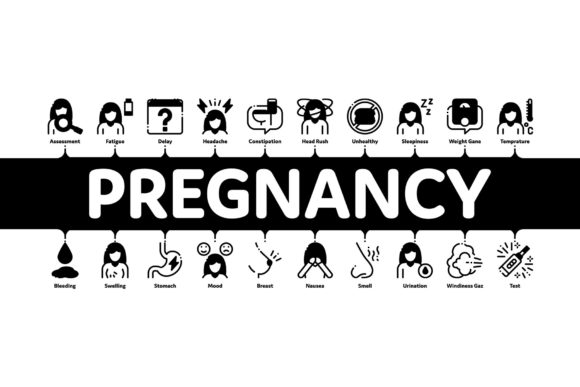
Symptoms of Pregnancy Infographic: Visual Design Guide
Visualizing the early stages of pregnancy requires a delicate balance between medical accuracy and empathetic design. A well-crafted Symptoms of Pregnancy Infographic serves as more than just a decorative element; it functions as an essential communication tool that translates complex physiological changes into accessible, digestible visual data. For designers, marketers, and health educators, utilizing high-quality vector assets depicting fatigue, nausea, food aversion, frequent urination, constipation, and faintness allows for the creation of content that is both informative and visually reassuring. The availability of these pictograms in versatile formats like JPG and EPS ensures that creators can maintain professional standards across print and digital mediums without sacrificing clarity or emotional resonance.
The Power of Minimalist Medical Illustration
When addressing sensitive health topics, minimalism is often the most effective stylistic choice. A Symptoms Of Pregnancy Minimal Infographic Web Banner Vector strips away unnecessary noise, allowing the viewer to focus entirely on the information being presented. This approach is particularly valuable when illustrating symptoms like fatigue and nausea, which are subjective experiences that can be difficult to convey through text alone. Clean lines, ample whitespace, and simplified forms reduce cognitive load, making the content feel less clinical and more approachable.
For web designers and bloggers, this minimalist aesthetic aligns perfectly with modern user experience principles. It ensures that critical health information loads quickly and remains legible on mobile devices where screen real estate is limited. By using vector-based pictograms, you guarantee that icons representing constipation or faintness remain crisp at any resolution, from a small social media thumbnail to a large-format clinic poster. This scalability is a cornerstone of professional design workflow, allowing a single asset library to serve multiple project requirements efficiently.
Translating Physical Symptoms into Visual Language
Creating effective health content involves more than selecting attractive graphics; it requires thoughtful interpretation of physical sensations. Each symptom in a pregnancy infographic carries specific visual connotations that must be handled with care:
- Fatigue: Often represented by reclining figures, closed eyes, or battery icons. The key is to depict rest as a necessary biological function rather than laziness, validating the exhaustion many experience during the first trimester.
- Nausea and Food Aversion: These are frequently illustrated using stylized facial expressions or abstract representations of rejected foods. Effective design avoids grotesque imagery, opting instead for relatable symbols that communicate discomfort without inducing distress in the viewer.
- Frequent Urination: This symptom requires tactful visualization. Successful infographics use anatomical diagrams or subtle iconography to explain bladder pressure caused by uterine expansion, turning an awkward topic into an educational moment.
- Constipation and Faintness: These systemic changes are best explained through process diagrams or cause-and-effect pictograms. Showing the relationship between hormonal shifts and digestive slowing helps demystify the symptom, reducing anxiety for the reader.
By anchoring your design in these specific interpretations, you move beyond generic clip art and create resources that genuinely support patient understanding and empathy.
Creative Applications Across Platforms
The versatility of EPS and JPG formats opens numerous avenues for creative application. Entrepreneurs and small business owners in the wellness space can leverage these assets to build brand authority. For example, a doula or midwife might incorporate these pictograms into client welcome packets, providing a tangible reference guide that reinforces verbal consultations. The ability to edit vector files means colors can be adjusted to match brand palettes, ensuring consistency across all touchpoints.
Educators and publishers can adapt these illustrations for diverse learning contexts. In a classroom setting, large-format prints of the Symptoms of Pregnancy Infographic can serve as focal points for discussion, while digital versions can be embedded in e-learning modules. Freelance writers covering maternal health can use these visuals to break up long-form articles, improving readability and SEO performance. Search engines increasingly prioritize content that offers rich, multi-modal experiences, and integrating relevant, high-quality alt-text optimized images signals expertise and relevance to algorithms.
Adapting Tone for Different Audiences
One of the greatest strengths of customizable vector assets is the ability to shift tone based on the target demographic. A clinical research presentation demands precise, anatomically accurate pictograms with neutral coloring and standardized labeling. Conversely, a lifestyle blog targeting first-time mothers might benefit from softer color gradients, rounded line weights, and warmer typography paired with the same underlying illustration structure.
Marketers promoting prenatal vitamins or maternity wear can integrate these symptoms into storytelling campaigns. Instead of simply listing side effects, use the infographic to frame the product as a supportive solution. For instance, pairing the fatigue pictogram with messaging about energy-supporting nutrients creates a direct visual link between problem and resolution. This contextual adaptation transforms static medical symbols into dynamic marketing assets that resonate emotionally while remaining factually grounded.
Best Practices for Clarity and Consistency
To maximize the impact of your Symptoms of Pregnancy Infographic, adherence to design best practices is non-negotiable. Consistency in stroke weight, perspective, and style across all pictograms creates a cohesive visual system. Mixing disparate illustration styles within a single infographic undermines professionalism and confuses the viewer. When working with EPS files, ensure all elements share the same artistic DNA before finalizing layouts.
Accessibility should also guide your creative decisions. Ensure sufficient contrast between pictograms and background colors, especially when depicting subtle symptoms like faintness. Alt text descriptions must be detailed and descriptive, capturing not just the literal image but the intended meaning. For example, instead of "woman holding stomach," use "illustration depicting nausea and food aversion during early pregnancy." This practice supports screen reader users and enhances semantic search visibility simultaneously.
Finally, always verify medical accuracy alongside aesthetic choices. While minimalism simplifies form, it should never distort function. Collaborate with healthcare professionals or consult reputable medical sources when adapting pictograms to ensure they reflect current understanding of pregnancy physiology. This commitment to accuracy builds trust with your audience and distinguishes your work from low-quality, AI-generated approximations that may propagate misinformation.
Technical Considerations for Multi-Format Delivery
Working with both JPG and EPS formats requires strategic file management. Use EPS files as your master source for all editing, resizing, and color adjustments. Reserve JPG exports for final delivery in web environments or office documents where vector support is limited. When exporting JPGs, optimize compression settings to balance quality and file size; oversized images slow page load times, negatively impacting both user experience and search rankings.
Consider creating multiple variations of your core infographic asset. A horizontal web banner version works well for blog headers and email newsletters, while a vertical arrangement suits Pinterest pins and Instagram stories. Square crops are ideal for LinkedIn posts and Facebook ads. Having these pre-adapted layouts ready streamlines content production workflows, allowing you to respond quickly to trending topics or seasonal campaigns without redesigning from scratch each time.
Ultimately, the value of a Symptoms of Pregnancy Infographic lies in its ability to bridge the gap between clinical knowledge and human experience. By approaching these assets with intentionality, technical skill, and audience awareness, creators can produce work that informs, comforts, and engages. Whether you are designing a comprehensive health guide or a simple social media post, remember that every visual choice communicates something about how we understand and support pregnancy. Thoughtful design doesn't just display information—it shapes perception, fosters connection, and makes complex journeys feel a little more navigable.