Evaluating the Pesticides Chemical Minimal Infographic for Modern Agricultural Communication
Visual communication in the agricultural sector has shifted significantly toward clarity and data-driven storytelling. The Pesticides Chemical Minimal Infographic represents a specific design philosophy that prioritizes information retention over decorative complexity. Unlike traditional agricultural illustrations that often rely on dense, realistic textures or chaotic compositions, this minimal approach uses clean lines, ample negative space, and standardized iconography to convey complex chemical processes and application methods. For professionals evaluating visual assets for reports, safety training, or digital marketing, understanding the distinct utility of this style is essential for making informed procurement decisions.
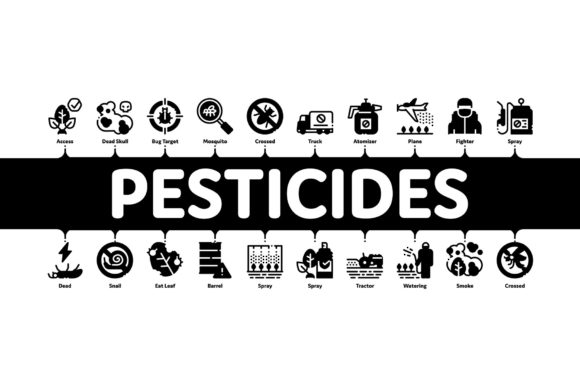
This infographic category typically encompasses vector-based illustrations depicting crop protection workflows. Key visual elements include aerial application by plane, handheld bottle sprays, and mechanized field equipment. These are not merely artistic renderings; they are functional diagrams designed to be instantly recognizable across language barriers and technical proficiency levels. When sourced in versatile formats like JPG and EPS, these assets serve dual purposes: high-resolution print materials via scalable vectors and optimized web banners for digital platforms. The decision to adopt this specific visual standard should be based on a clear assessment of your audience’s needs, the medium of delivery, and the regulatory environment in which the content will be displayed.
Distinguishing Minimalist Vector Art from Realistic Illustration
When comparing the Pesticides Chemical Minimal Infographic against photorealistic alternatives, the primary differentiator is cognitive load. Realistic photography or hyper-detailed 3D renders excel at showing the physical texture of a leaf or the specific branding on a spray nozzle. However, they often introduce visual noise that can distract from the core message regarding chemical safety or application rates. Minimalist infographics strip away non-essential details to focus entirely on the relationship between the agent (pesticide), the tool (sprayer/plane), and the target (field).
This distinction becomes critical when creating web banners or instructional signage. A realistic image of a tractor spraying a field may look impressive in a brochure, but when scaled down to a mobile screen or a sidebar ad, the details blur into an indistinguishable mass. Conversely, the bold shapes and high-contrast colors of a minimal vector illustration maintain legibility at any size. For users researching ideas for multi-platform campaigns, the minimal infographic offers superior adaptability. It allows for consistent branding across a 10-foot trade show banner and a 300-pixel website header without requiring separate asset creation.
However, there are tradeoffs. If the goal is to demonstrate the specific ergonomic grip of a new spray bottle design or to showcase the exact color change in a treated crop, minimalism fails. In those instances, product-specific photography is necessary. The Pesticides Chemical Minimal Infographic is best suited for conceptual explanations, process overviews, and comparative data visualization rather than product-specific feature highlights.
Format Versatility: Evaluating EPS vs. JPG Deliverables
The availability of both EPS and JPG formats is a significant factor in the long-term value of these assets. Understanding when to utilize each format prevents quality degradation and workflow bottlenecks.
- EPS (Encapsulated PostScript): This vector format is mathematically defined, meaning it can be scaled infinitely without pixelation. It is the mandatory choice for large-format printing, such as field day banners, equipment decals, or regulatory posters. Crucially, EPS files allow for editing. Designers can adjust colors to match corporate branding, modify text labels for different regions, or isolate specific elements (like just the plane or just the bottle) for use in other layouts.
- JPG (Joint Photographic Experts Group): This raster format is pre-rendered and compressed. It is ideal for immediate deployment in digital environments where file size impacts load times. While less flexible than EPS, high-quality JPGs are sufficient for web banners, social media posts, and internal presentation slides. They require no specialized software to view or insert.
For organizations managing a centralized asset library, acquiring the source EPS ensures future-proofing. Relying solely on JPGs limits flexibility; if a regulation changes or a rebrand occurs, the entire asset must be recreated. The dual-format offering typical of Pesticides Chemical Minimal Infographic packages addresses this strategic need, providing immediate usability alongside long-term adaptability.
Application Scenarios and Strategic Fit
Determining whether this visual style aligns with your current project requires analyzing the specific context of use. The strengths of minimal infographics shine brightest in scenarios demanding rapid comprehension and universal accessibility.
Safety Training and Compliance Documentation
In agricultural processing and field application, safety protocols must be understood instantly. Complex paragraphs regarding Personal Protective Equipment (PPE) or mixing ratios are often ignored or misunderstood. A Pesticides Chemical Minimal Infographic translates these requirements into visual sequences. For example, illustrating the correct dilution process using a stylized bottle and measuring cup eliminates ambiguity. Because the style avoids realistic human faces, it also sidesteps issues related to diversity representation or dated fashion, keeping the safety material relevant for longer periods.
Digital Marketing and Web Banners
Web banners for agricultural products face the challenge of conveying technical credibility within seconds. Detailed technical drawings often appear too academic for commercial contexts, while stock photos can feel generic. Minimal infographics strike a balance, signaling professional expertise through clean design aesthetics. When used as a Pesticides Chemical Minimal Infographic Web Banner Vector, these assets integrate seamlessly with modern UI/UX trends that favor flat design and whitespace. They provide enough visual interest to arrest attention without competing with call-to-action buttons or headline copy.
Comparative Analysis and Reporting
Researchers and consultants frequently need to compare different application methods, such as aerial spraying versus ground-based equipment. Minimal icons allow for side-by-side comparison charts that are visually balanced. Because the artistic style is uniform across all elements, the viewer focuses on the data differences (cost, coverage area, drift potential) rather than being influenced by varying artistic quality or lighting conditions inherent in mixed-media collages.
Limitations and Decision Factors
While highly effective, the Pesticides Chemical Minimal Infographic is not a universal solution. Professionals must recognize its limitations to avoid misapplication.
Lack of Emotional Resonance: Minimalist art is inherently clinical and detached. If the communication goal involves building emotional connection, celebrating rural heritage, or evoking the sensory experience of farming, this style will feel cold and corporate. Lifestyle photography or hand-drawn illustrations are superior alternatives for narrative-driven content.
Abstraction Risks: Extreme simplification can sometimes lead to misinterpretation. If a specific type of nozzle or protective gear is legally required, a generic icon might not satisfy compliance auditors. Always verify that the level of abstraction meets the specific regulatory standards of your jurisdiction. In some cases, a hybrid approach—using minimal backgrounds with realistic product inserts—may be the necessary compromise.
Customization Requirements: Off-the-shelf vector packs provide excellent foundational elements, but they rarely depict proprietary technology perfectly. If your organization uses specialized processing equipment that differs significantly from standard industry representations, budget for custom vector modification. Using a generic icon to represent unique IP can undermine the perceived value of your innovation.
Making the Final Selection
Choosing the right visual resource involves weighing immediate impact against long-term utility. The Pesticides Chemical Minimal Infographic excels as a workhorse asset for technical communication, safety education, and responsive web design. Its strength lies in reducing complexity and ensuring consistency across diverse media channels.
When evaluating specific vector packs or commissioning custom work, prioritize those that offer true layer separation in EPS format. Ensure the icon set includes comprehensive coverage of the three core concepts: aerial application (plane), manual application (bottle spray), and mechanized processing (equipment). Verify that the color palette is either neutral enough to adapt to your brand or easily editable. Finally, consider the end-user: if they are scanning for quick information in a high-stress or low-attention environment, minimalism is likely the correct strategic choice. If they are engaging in deep study or emotional storytelling, explore richer, more detailed alternatives.
Ultimately, the effectiveness of these graphics depends on alignment with communication objectives. By treating the Pesticides Chemical Minimal Infographic as a specialized tool for clarity rather than a default aesthetic, agricultural professionals can enhance understanding, improve safety compliance, and present technical information with modern professionalism.